BasketballPier 2free
Pier 2 courts
Full-court basketball under the open shed roof — the most serious free run in brownstone Brooklyn.
✓ Brooklyn Bridge Park Corp
Parks, free workouts, playgrounds, piers, mailboxes, shipping counters. No ads, no ranking games — just what's there, with its source.
Full-court basketball under the open shed roof — the most serious free run in brownstone Brooklyn.
A small sandy cove between the piers — no swimming, but boat launches, birds and the closest thing the zip has to a shore.
The protected greenway runs the length of the park on Furman St — flat miles from Atlantic Ave to the bridges and on toward Williamsburg.
A wooded, unpaved acre under the BQE approach — one of the city's best-loved runs.
DUMBO's run, between the lawn and the water.
Free-weight-style calisthenics equipment with a harbor view — the roller rink and swings one bay over.
Free instructor-led classes on the piers in season — yoga, bootcamp, dance. Check the park calendar.
The oldest piece of the park, wrapped around Jane's Carousel — willows, a tidal shoreline, and the Manhattan Bridge overhead.
GrowNYC's year-round market on the Borough Hall plaza — Tuesdays, Thursdays and Saturdays since 1977.
Handball and shuffleboard bays beside the courts, first come first served.
The boathouse runs free walk-up kayaking in the protected embayment on summer weekends — waiver, life vest, twenty minutes on the East River.
The branch reborn in 2020 at the base of a tower — double-height reading room, big children's floor.
The 1881 Queen Anne landmark's Othmer Library — Brooklyn's memory, free to enter.
The flea under the Manhattan Bridge Archway — vintage, records, prints, weekends in season.
85 acres of reclaimed cargo piers from Atlantic Ave to Jane's Carousel — lawns, sports piers, a beach, salt marshes and the skyline at point-blank range. Open 6 AM to 1 AM; all of it is 11201.
The 1950 cantilever over the BQE — a third of a mile of benches, London planes and the most argued-over view in New York. Robert Moses wanted the highway through the Heights; the neighborhood got a balcony instead.
The civic green between Borough Hall and the bridge ramps — mature trees, the war memorial, and the borough's farmers-market anchor at its foot.
DUMBO's lawn between the bridges, with the pebble cove where everyone photographs the Brooklyn Bridge at golden hour.
Named for the singer who grew up in the Heights, at the Promenade's quiet north end.
Four themed playgrounds — Slide Mountain, Swing Valley, Sandbox Village, Water Lab — the destination playground of the borough.
The Heights' own, at the Promenade's south gate.
The 1892 Romanesque-revival federal building — a working post office under the granite arches, courthouse upstairs.
Three lit synthetic-turf fields jutting into the harbor — leagues most evenings, open play between permits, picnic peninsula alongside.
Real sand volleyball courts at the foot of Atlantic Ave — bring a ball, join a game.
What's on the walls and in the halls — street art, landmarks, movie scenes, the museums and stages of the ledger — and the zips this one is twinned with, by decree and by geometry.
The 1824 'Queen of Brooklyn Heights' — the oldest wood-frame house in the neighborhood, gambrel roof and all, at the quiet north end.
Brooklyn's 1848 Greek-revival City Hall — it lost the 'City' in 1898 and kept the cupola, the statue of Justice restored to the top in 1988.
1883, the Roeblings' bridge — walk up the wooden promenade from the Tillary St stair or the new Emily Warren Roebling Plaza entrance. The towers stand in the zip's water.
The 1869–85 coffee warehouses, now open through to the park, and the 1914 clocktower of the Gair buildings above them — DUMBO's whole skyline is a cardboard-box empire's leftovers.
Where Fulton's steam ferry Nassau started shuttling to Manhattan in 1814 and made the Heights America's first commuter suburb. Whitman's 'Crossing Brooklyn Ferry' is cast into the railing.
The 'Waldorf-Astoria of Brooklyn' (1909) — the Dodgers toasted the 1955 World Series in its Marine Roof ballroom.
A 1922 Philadelphia Toboggan Company carousel, restored over 27 years by Jane Walentas, spinning in a Jean Nouvel glass box between the bridges. Rides $2 — looking is free.
Henry Ward Beecher's 1849 barn of a church — the 'Grand Central Depot' of the Underground Railroad, where congregants bought enslaved people's freedom at mock auctions. Lincoln worshipped here twice.
19 Cranberry St played Loretta Castorini's family brownstone in Moonstruck (1987) — Cher walked these blocks to La Bohème.
The Manhattan Bridge framed between the warehouses — the Once Upon a Time in America shot, now the most photographed cobblestones in the borough.
The BQE's York St underpass turned open-air gallery in 2012 — a rotating set of commissioned murals under the roar.
Tokyo first (1960), then Beijing, Cairo, Madrid, Santo Domingo, Budapest, Rome, Jerusalem, London and Johannesburg — the city's jumelage ledger, kept for the whole five boroughs.
The zip's antipode is empty ocean — the point falls in the Indian Ocean southwest of Australia, a thousand kilometres from any door. The nearest is Augusta, the small town on Cape Leeuwin where the Indian and Southern Oceans officially meet: one lighthouse, one bakery, and the whole of Antarctica next stop south.
Same parallel, longitude flipped across Greenwich — and the point lands in the foothills of the Fergana valley's rim in southern Kyrgyzstan. The nearest town is Özgön, a Silk Road stop with an 11th-century Karakhanid minaret and mausoleums of carved terracotta. New York's cast iron and Karakhanid brickwork share a latitude almost to the block.
Latitude mirrored below the equator: the point sits in the Pacific about thirty kilometres off the Chilean coast. The nearest door is Bahía Mansa, a fishing cove in San Juan de la Costa — larch forests down to the water, sea lions on the rocks, and the same cold-current fog that never reaches New York.
The zip's other residents — the animals, plants and corals you can actually meet here, with where to find them and when they show up.
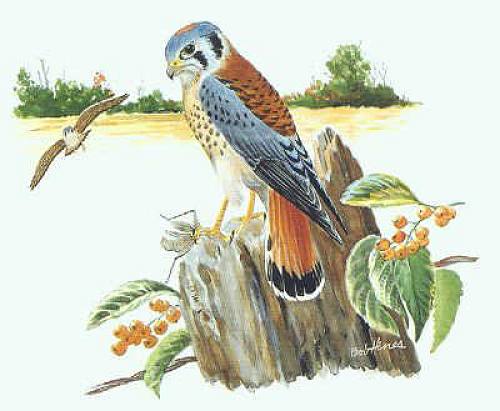
North America's smallest falcon nests in brownstone cornices across the Heights — listen for the klee-klee-klee above Montague St.
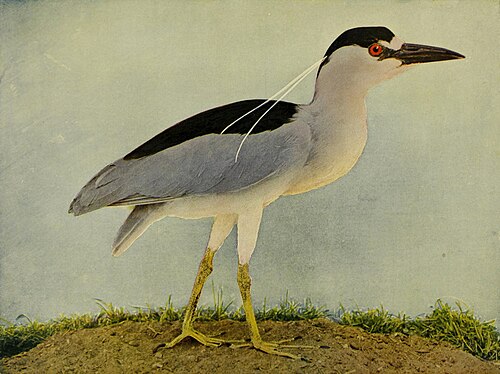
Hunched and patient at the salt marsh edge after sundown, red eye on the water — the harbor's night shift.
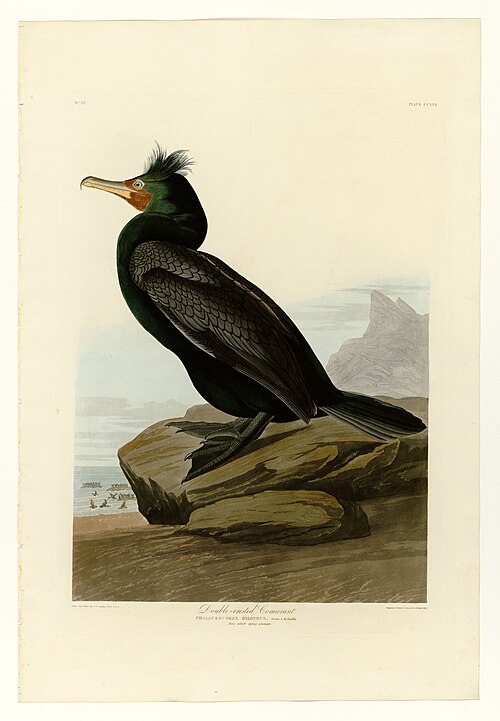
The black silhouette drying its wings on the old pier piles — the park kept the pile fields precisely because the birds use them.
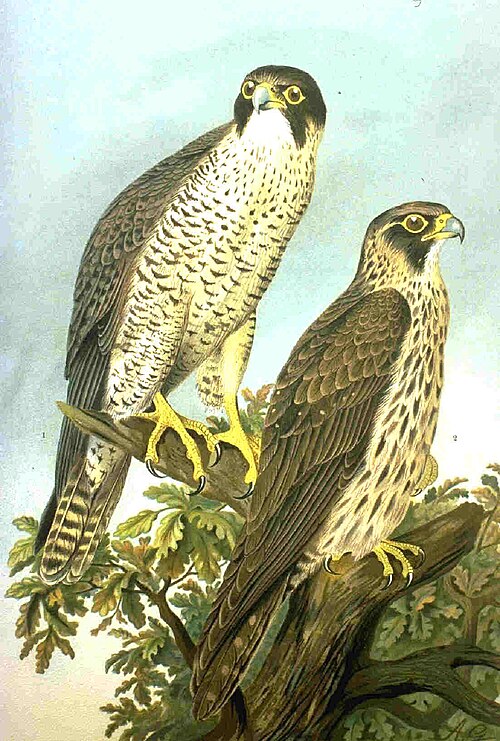
New York hosts the densest urban peregrine population anywhere, and the bridges are their cliffs — DEP monitors nest boxes on the East River spans. Watch the bridge towers at dusk: the fastest animal on earth commutes over the zip.
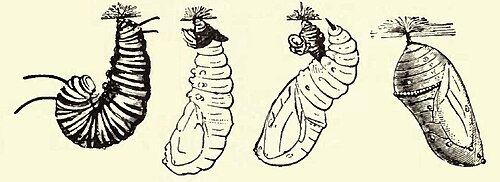
The park planted its meadows for exactly this: September fills the Pier 6 flower field with monarchs tanking up for the flight to Mexico.
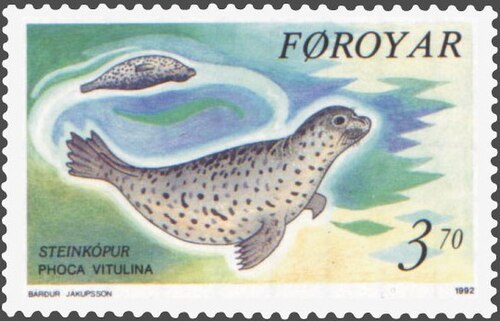
Winter visitors from the colonies off Staten Island and the Sound occasionally haul out near the park's quieter piers — a seal off Pier 4 stops the greenway cold every time.
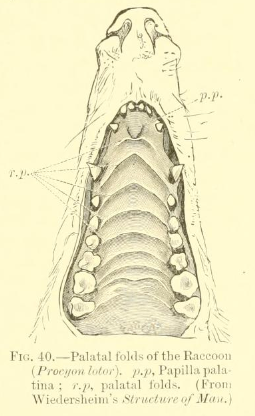
The Promenade gardens' night manager — den sites in the bluff below the balustrade, rounds run along the BQE lid after midnight.
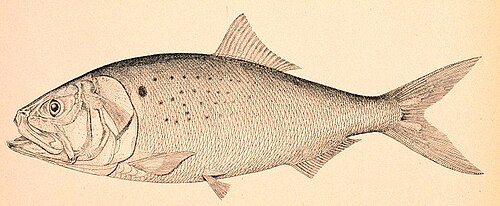
The flipping, shimmering schools off the piers at dusk are menhaden — the fish that brought the whales back to the harbor. Everything bigger eats them; watch the water boil.
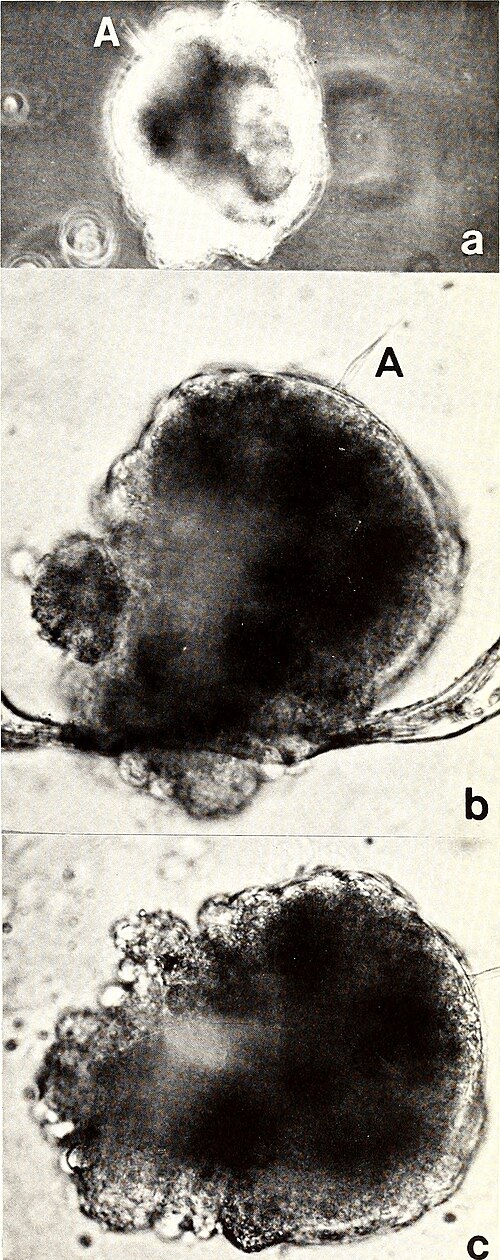
The harbor's original resident, coming back one shell at a time — the Billion Oyster Project keeps research cages off the park's piers, and Brooklyn Bridge Park schoolkids count the spat. A century ago this shoreline fed the city.
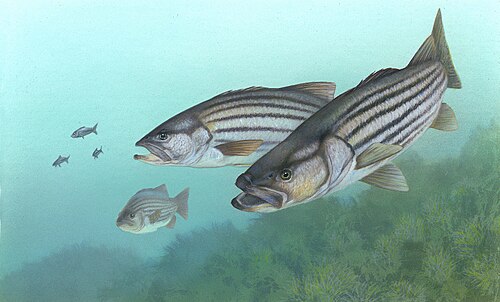
The spring and fall runs bring anglers to the Pier 5 rail — the East River is a strait, and the stripers treat it as a highway.
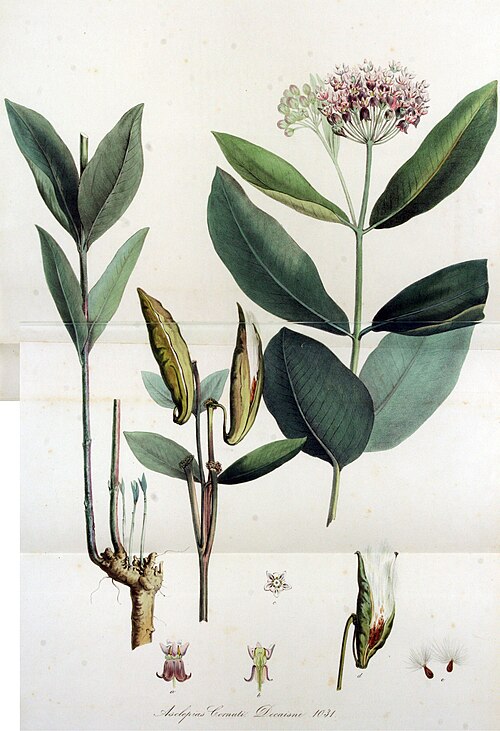
Seeded through the park's meadows as the monarch's only nursery — the pods split in October and silk drifts across the greenway.
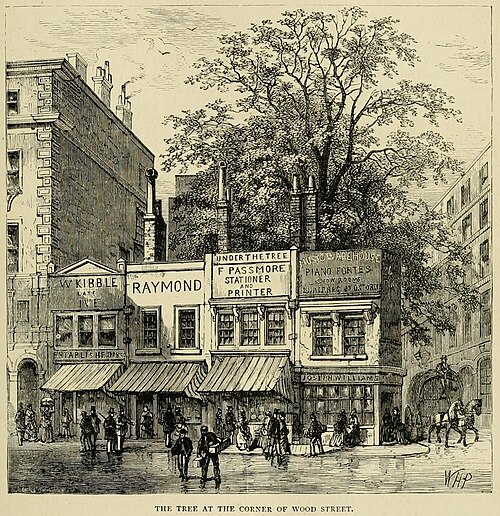
The camouflage-barked workhorse of the Promenade and Cadman Plaza — the city's most planted street tree, built to shrug off harbor wind and BQE exhaust alike.
Every way in, out and across the zip — the trains and where they're headed, the buses, the bike docks, a cab when you need one, and what to do with a car.
The zip's interchange, under the civic center — the 1908 station is landmarked.
Elevators only, down through the old St. George Hotel — one of three deep-bore stations in Brooklyn.
The Heights' deep station under Cadman Plaza — one stop to Fulton St.
The eastern gateway, at the edge of the office district.
DUMBO's one station — deep under the hill, one stop to East Broadway.
The East River route from the old ferry slip — Wall St in five minutes, exactly as in 1814, minus the steam.
South Brooklyn route, plus the seasonal shuttle to Governors Island.
Docks roughly every two blocks: Old Fulton St, Cadman Plaza, Montague St, Pier 6, the Archway. The greenway makes the park end flat riding.
The park's own garage under One Brooklyn Bridge — the practical door for pier sports with gear.
The block from below and at the corner — the traffic signals that time the street, and the manholes, drains and subway mouths that open onto everything running beneath it. Counted from OpenStreetMap; the parts no city publishes are named, not guessed.
No traffic signals ledgered yet — they come in from OpenStreetMap on the next sync.
Nothing ledgered under the street yet — manholes, drains and subway access arrive on the next OpenStreetMap sync.
Every café, restaurant, bar and counter on the ledger — typed and faceted straight from the knowledge layer.
The zip's flagships, staples and indies, the brands they carry, and the shared product vocabulary underneath — the graph an integrated zip-POS would settle against. 0 retailers · 0 brands tracked.
The block's human makeup — the cohorts, the day-vs-night swell, the mix of who shows up. Set a lens up top and you'll see yourself among the neighbours.
About 117k more people are here by day than sleep here.
Every seat that holds power over the block, from the community board to the president. The template ships the seats; each edition fills the names from a dated source — an open seat means not yet sourced, never guessed.
The police surveillance technology documented over this block — plate readers, cameras, drones, face recognition and the rooms that pool them. Counted from the Atlas of Surveillance; a category with none documented is marked as such, never guessed, because absence of a record is not proof a tool isn't in use.
Software that matches faces from cameras or photos against a database to put a name to a person — often without their knowledge or consent.
Cameras that photograph every passing plate and log where and when it was seen, building a searchable map of a car's movements over months or years.
“Stingray” devices that impersonate a cell tower so nearby phones connect to them, revealing the location and identity of every handset in range.
Algorithms that forecast where crime will happen or who is likely to be involved, directing patrols and scrutiny toward people and blocks by statistics.
Unmanned aircraft used for aerial surveillance, crowd monitoring and, increasingly, as first responders dispatched to calls with cameras rolling.
Networks of always-on microphones on streetlights and buildings that listen for gunfire — and can capture voices — then send police to the sound.
AI layered onto camera feeds to automatically flag people, objects or behaviour, and to search hours of footage for a shirt colour, a bag, a face.
A roster of private security cameras — doorbells, shops, homes — that residents register or connect, letting police pull footage from across the block.
Cameras worn by officers. A record of encounters that can protect the public — but also a mobile, searchable feed whose footage the department controls.
Commercial services that pool phone, location, social-media and public records into one search, letting police buy access to data they'd need a warrant to collect.
A control room fusing live camera, plate, gunshot and phone feeds onto one wall — the hub that turns scattered sensors into continuous watching.
A state or regional office where local, state and federal agencies share intelligence — pooling records on people across jurisdictions with little public oversight.